Tents are only part of the equation when planning a winter event. Keeping your guests comfortable throughout the day or evening requires the right heating equipment, placed strategically and suited to the size of your space. Climate control isn’t one-size-fits-all. It takes the right combination of heater capacity, layout, and temperature management to create a warm and balanced environment inside a tented setup. Whether you’re hosting an intimate dinner or a large celebration, the right equipment makes a measurable difference.
EventWorks’ Tent Heating Essentials
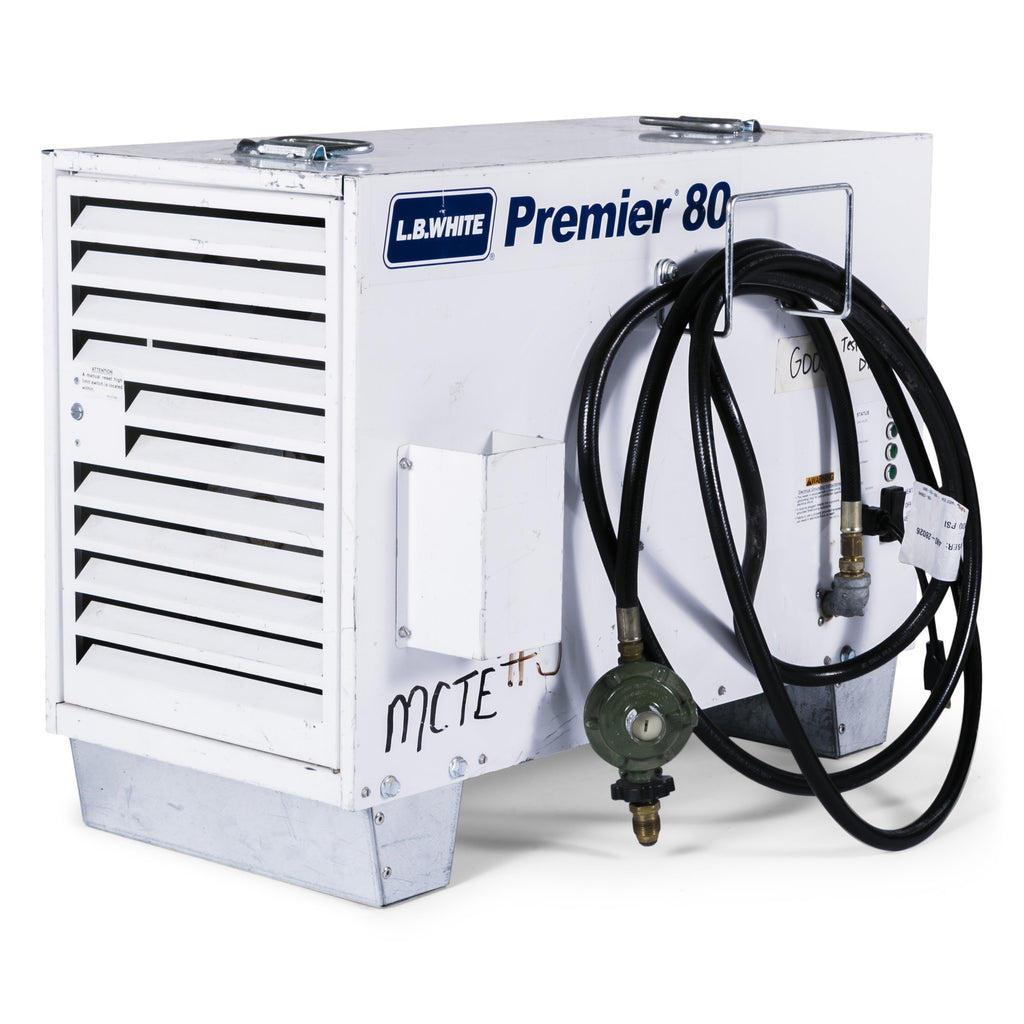
Every winter event has different heating needs, depending on the size of the space, the number of guests, and how enclosed the setup is. Large tents typically require high-capacity units that can heat the entire space evenly, while smaller or partially enclosed tents may only need a single unit to maintain a comfortable temperature.
One of the most efficient and reliable options available is our White Tent Heater – 170K BTU. It’s designed to support larger tented events and integrates well into the overall layout without creating an eyesore. Quiet operation and strong airflow make it a dependable solution for cold-weather functions.
Our sales team recommends placing heaters at points that create natural air circulation. With the right heater and tent pairing, guests stay warm from the start of the event to the final toast.
Efficient Heating With Thermostat Control
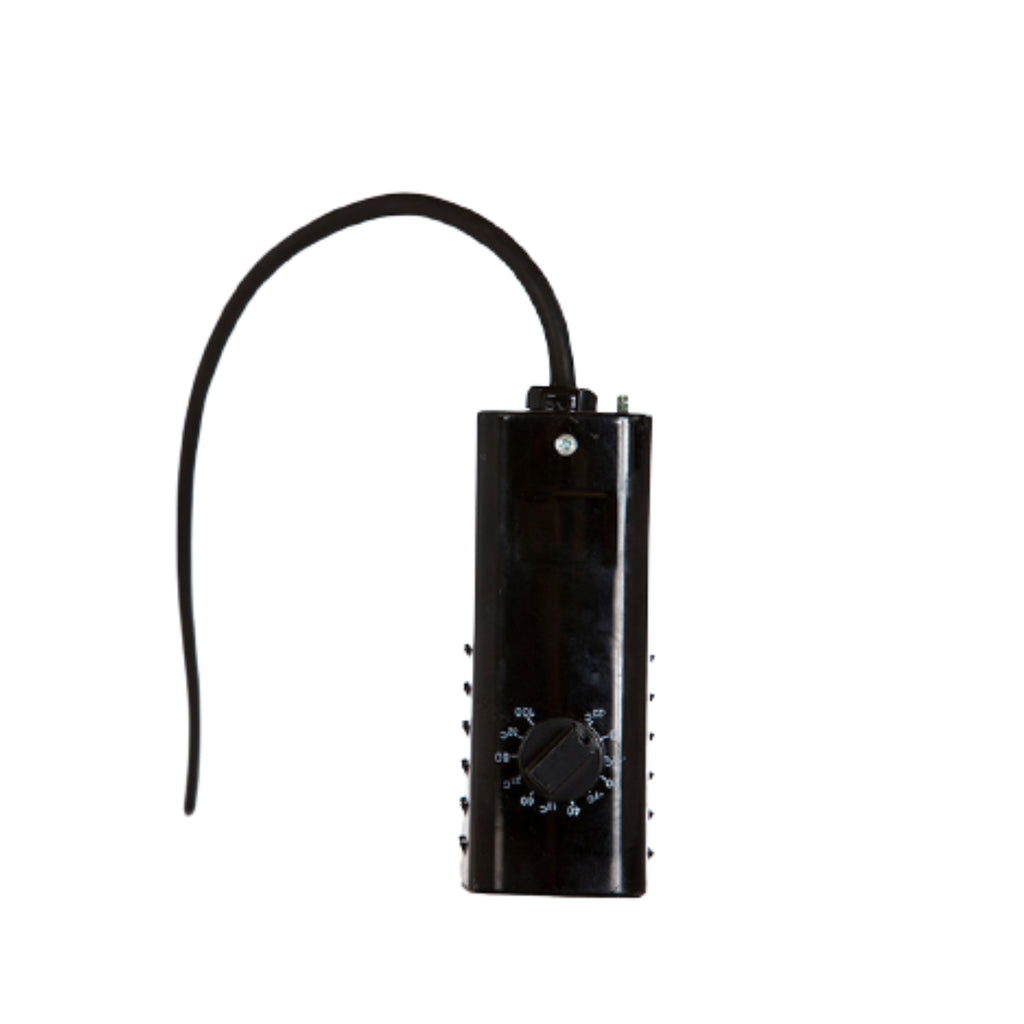
Managing the temperature throughout the event is just as important as choosing the heater itself. A consistent temperature ensures comfort and avoids sudden fluctuations that can distract guests or impact food service.
To help maintain the right balance, the Tent Heater Thermostat gives you precise control over heating levels during the event. It allows you to adjust warmth based on crowd size, weather shifts, or time of day, all without interrupting the flow of the celebration.
Together, these heating options provide the control and flexibility needed for winter events of all sizes. Whether you're heating a compact lounge area or a full wedding reception tent, the right tools make all the difference.
Explore Our Most Popular Heated Tent Rentals
Winter events offer a unique opportunity to create warm, enclosed spaces that feel both seasonal and sophisticated. Some of the most popular tent options among our clients are those that combine form and function, especially when paired with climate control equipment.
One option that brings elegance and insulation together is the White Leg Drape Tent. These drapes add a polished look to any tent setup while also helping to keep warmth inside the structure. When used with a sidewall and a dedicated heating source, this style creates a cozy and refined atmosphere that works well for weddings, galas, and formal corporate gatherings.
Our team can recommend additional enhancements based on your event’s needs. Lounge furniture, tablescapes, and specialty chairs all complement the tent’s layout and contribute to guest comfort, especially in colder months.
Selecting a tent is not just about covering space. It’s about designing a complete environment where people feel comfortable and connected. Our heated tent options are carefully chosen to help you achieve exactly that.
More Than Warmth: Complete Your Winter Setup
Creating a warm space is only part of what makes a winter event successful. Once the core structure and heating are in place, it’s time to layer in the finishing details that make the environment feel complete.
Lighting, flooring, linens, and tablescapes all play an important role in making the space feel inviting. Lounge areas with soft seating give guests a place to relax between dinner and dancing, and thoughtful design choices can tie everything together visually, even within a climate-controlled tent.
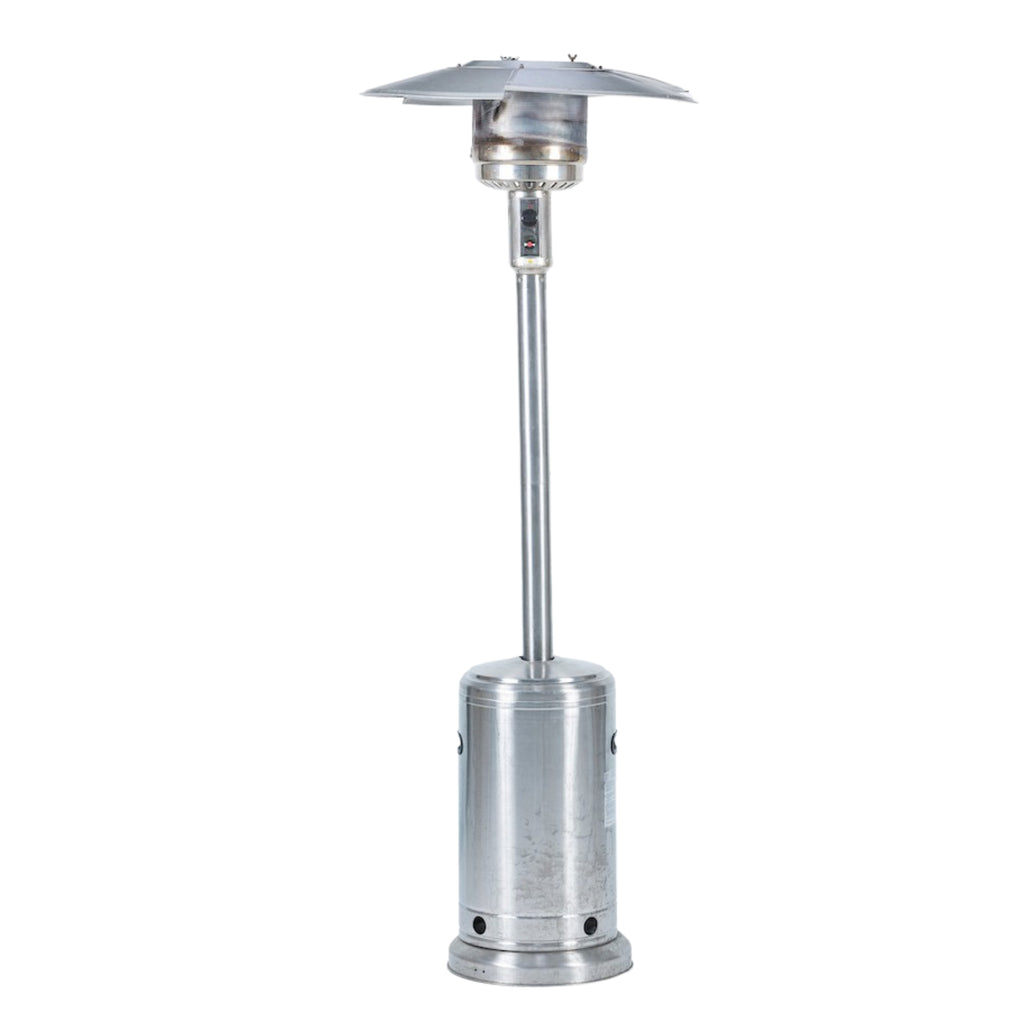
For outdoor lounge areas or entryways, the Stainless Patio Heater is a popular choice. It blends into the event design while offering focused warmth in key gathering spaces like cocktail patios or outdoor bars. These heaters are especially helpful for transitional areas where guests may move between indoor and outdoor spaces.
Our sales team is here to help you choose not only the right tent and heater, but the entire layout and rental package that fits your vision. Winter events come with extra considerations, but with the right planning and rental support, they can become some of the most memorable occasions of the year.
Serving the Southeast With Local Expertise and Heart
At EventWorks, winter events are more than a seasonal challenge. They are a chance to help our clients create moments that feel warm, thoughtful, and connected. Our team is built on relationships, not transactions. Every event is an opportunity to serve our communities with care and professionalism.
With showrooms, experienced staff, and rental resources across South Carolina, Georgia, Florida, Tennessee, and Alabama, we are equipped to deliver solutions that fit your location and vision. Our sales professionals offer hands-on support, helping you navigate weather, layout, equipment, and style so your winter event feels just right from start to finish.
We take pride in offering more than just tents or heaters. Our commitment is to service, reliability, and the small details that elevate your event. Whether it’s a family celebration or a large corporate gathering, we are here to support you with expertise and heart in every market we serve.